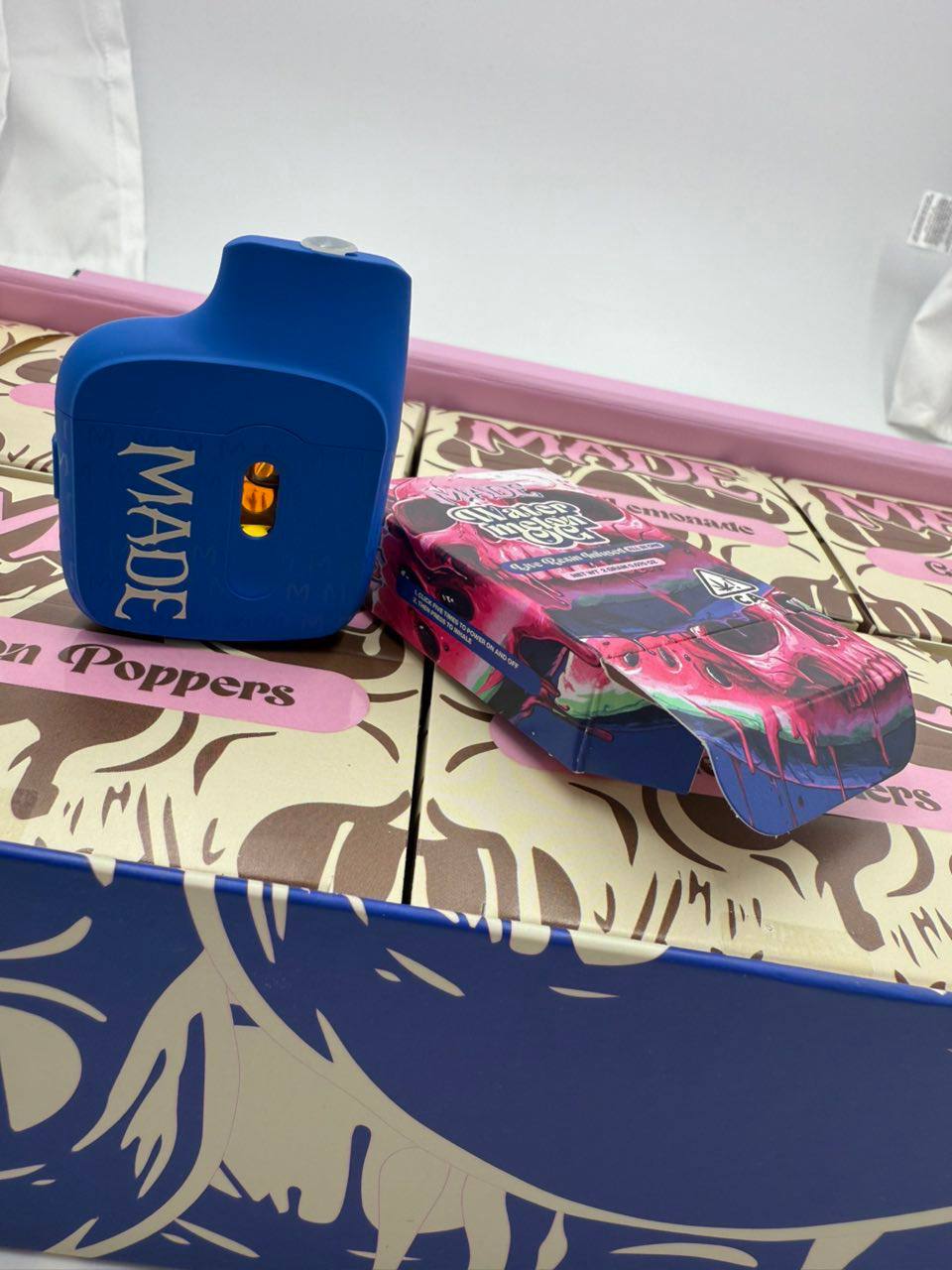
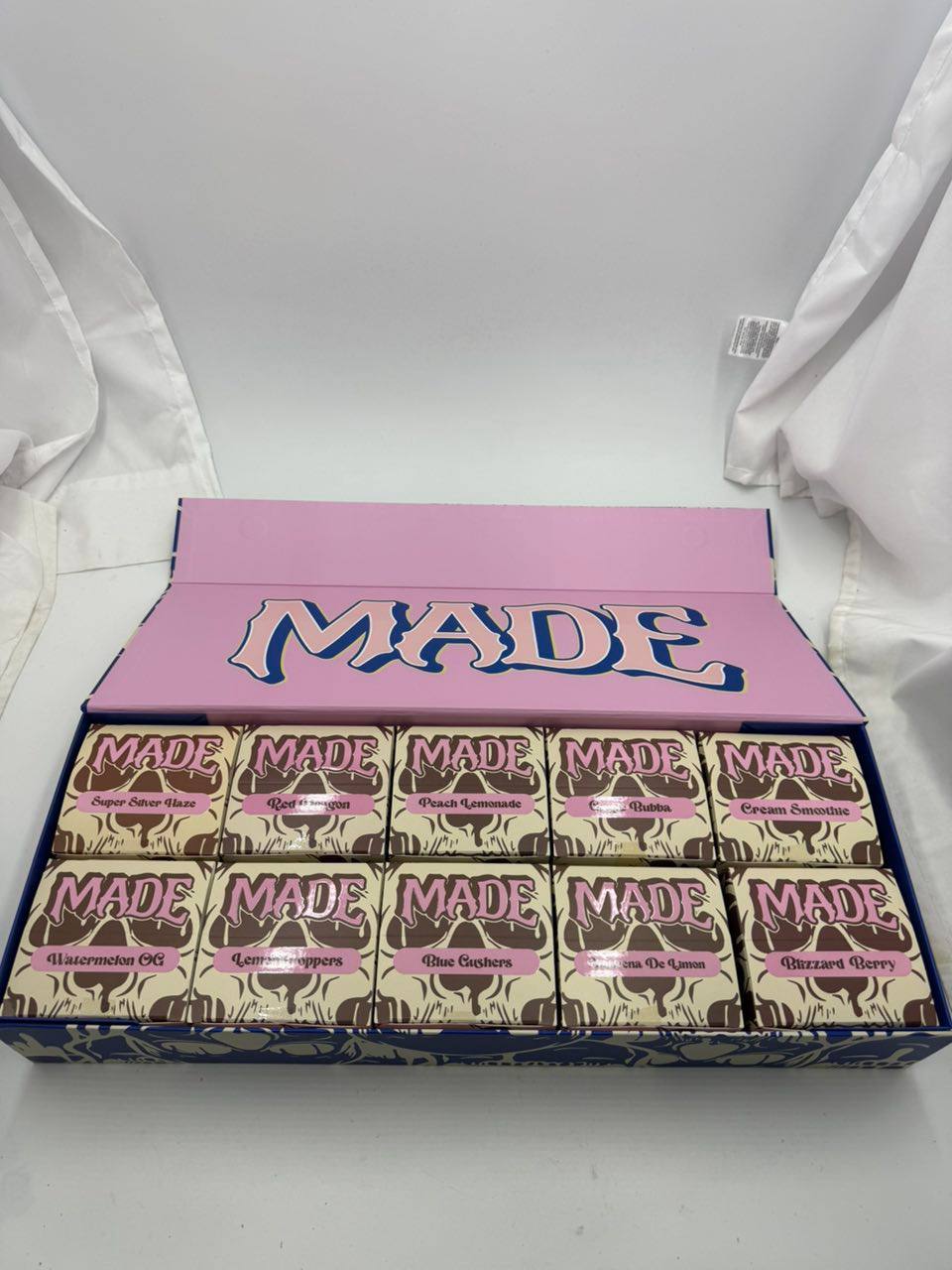
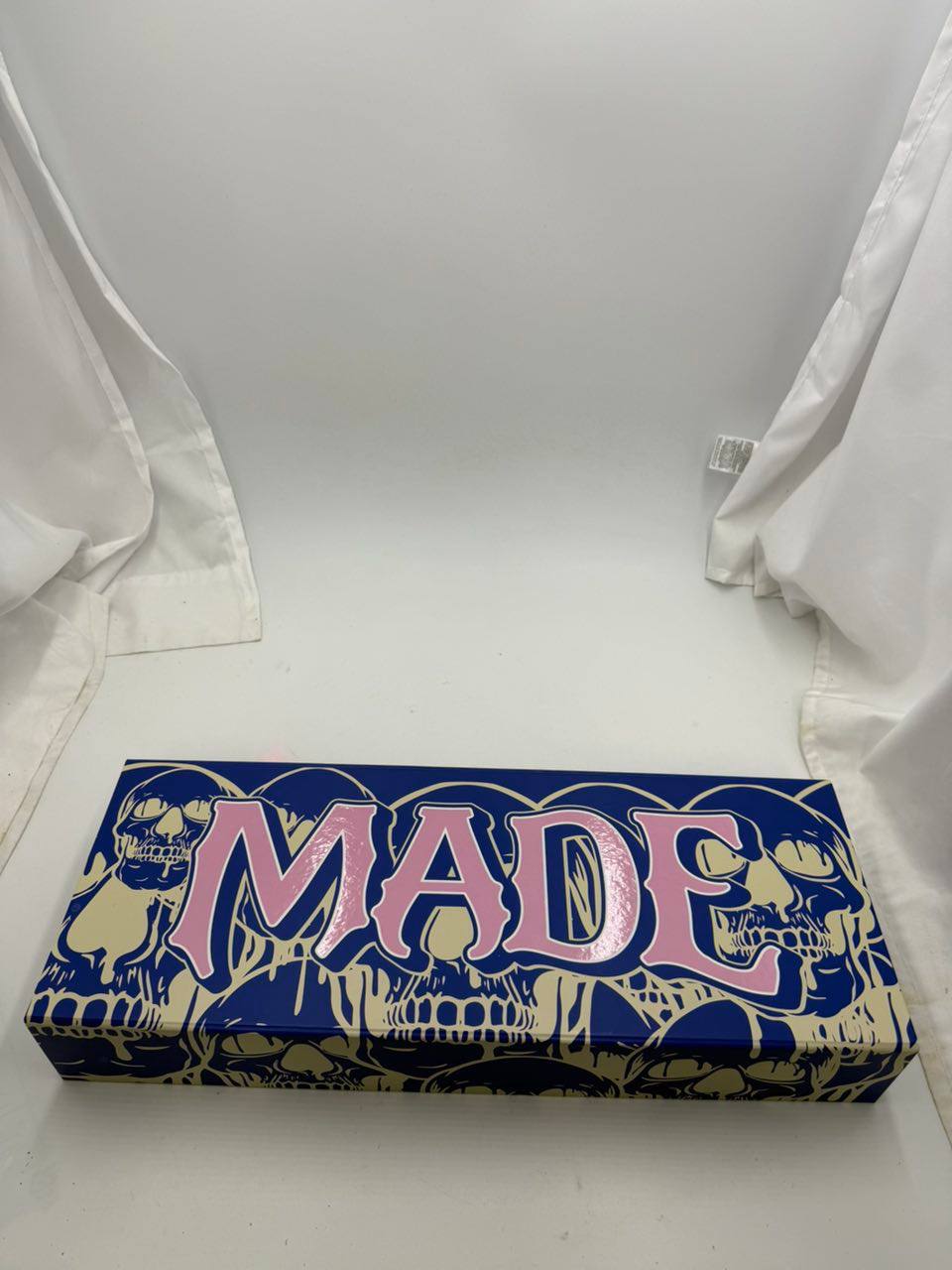

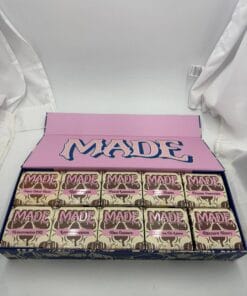
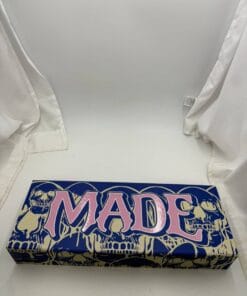
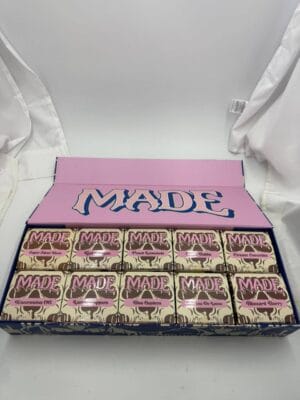
MADE DISPOSABLE 2 GRAM

$28.30 – $1,400.27Price range: $28.30 through $1,400.27
Buy Made Disposable
In today’s market, the phrase “made disposable” often reflects a deliberate manufacturing and business strategy, not merely a product’s fate. Many contemporary goods from fast fashion and electronics to single-use packaging are intentionally designed for a short lifespan to encourage repeat purchases, a concept known as planned obsolescence. This approach maximizes corporate revenue but raises significant concerns about environmental sustainability, consumer cost, and waste. Key takeaways include recognizing design cues that indicate a disposable product, understanding the environmental impact, and learning how to identify and support more durable alternatives for a more sustainable consumption model.
Quick Answer
Yes, many modern products are intentionally “usa made disposable” through strategies like planned obsolescence and the use of non-repairable components, driving a cycle of frequent replacement and increased waste.
Key Takeaways american made disposable nicotine vapes
Planned Obsolescence is Widespread: Many electronics and appliances have short lifespans due to irreplaceable batteries or lack of repair options.
Fast Fashion Embodies Disposability: Clothing is designed for a few wears with low-quality materials, creating immense textile waste.
Staggering E-Waste Volume: The world generates over 50 million tonnes of electronic waste annually, much of it from “made disposable” products.
Vote with Your Wallet: Prioritize purchasing from brands that offer repairability, warranties, and modular designs.
What Does “Made Disposable” Really Mean?
“Made 2g disposable” signifies that a product’s limited useful life is a core feature of its design, not an accident. This manifests in several ways: technical obsolescence, where software updates slow devices or proprietary chargers render them useless; material obsolescence, using fragile plastics or fabrics that degrade quickly; and psychological obsolescence, where marketing drives trends to make perfectly functional items seem outdated. For example, a smartphone with a sealed, non-replaceable battery is “made disposable” once the battery fails, the entire device often becomes e-waste. This contrasts with products designed for longevity, which use robust materials and offer repair services.
Comparison: american made disposable vapes vs. Sustainable Design
| Feature | “Made Disposable” Product | Sustainably Designed Product |
|---|---|---|
| Lifespan | Short (months to a few years) | Long (years to decades) |
| Repairability | Glued/sealed shut; no user-serviceable parts | Modular; standard tools; repair guides available |
| Materials | Low-grade plastics, blended fabrics | Durable, recyclable, or biodegradable materials |
| Business Model | Sell volume; encourage repeat purchases | Sell quality; offer repairs/refurbishment |
| End-of-Life | Landfill, incineration | Easily disassembled for recycling/upcycling |
Common Mistakes to Avoid american made disposable vape brands
Falling for Ultra-Low Prices: An extremely cheap price tag often indicates corners cut on materials and construction, made wed pen guaranteeing a short life.
Ignoring Repair Information: Failing to check if a brand offers repair manuals, sells spare parts, or has an authorized repair network before purchasing.
Succumbing to Trend Cycles: Constantly replacing items like clothing or decor to keep up with micro-trends fuels the disposable economy.
Disposing Instead of Diagnosing: Tossing a malfunctioning item without seeking a repair diagnosis first. Often, fixes are simple and inexpensive.

Advanced Tips for Conscious Consumption
Research the Right to Repair: Support brands and legislation that champion your ability to fix your own belongings. Check iFixit for device repairability scores.
Embrace Modular Electronics: Seek out made dispo pen products from companies like Framework (laptops) or Fairphone (smartphones), designed to be upgraded and repaired component-by-component.
Conduct a Lifecycle Cost Analysis: Divide the price of a durable item by its expected years of service. A $100 jacket that lasts 10 years is more economical than five $30 jackets that last two each.
Prioritize Material Science: Look for mad labs products made with known durable materials solid wood furniture, full-grain leather, stainless steel, and natural fibers like linen or high-quality cotton.
Frequently Asked Questions
Q: How can I tell if a product is “made disposable vape” before I buy it?
A: Inspect the product details and company policies. Major red flags include: a complete lack of warranty or a very short one (e.g., 30 days), no mention of spare parts or repair services, user reviews complaining of breakage shortly after purchase, and a construction that feels flimsy or is entirely sealed. Brands committed to longevity typically advertise their durability, repair programs, and material quality.
Q: Are there industries moving away from made carts?
A: Yes, positive shifts are occurring. The electronics industry is seeing growth in the right-to-repair movement. In fashion, the rise of “slow fashion” brands focuses on timeless design and quality craftsmanship. The home goods market is experiencing a resurgence in demand for solid, repairable furniture. Consumer demand for sustainability is a key driver, proving that purchasing power can influence corporate design strategies.
Conclusion: Key Action Items
Become a Detective: Research repairability and brand ethos before every significant purchase. Prioritize durability over fleeting trends.
Choose to Repair: Before replacing a broken item, explore repair options local shops, DIY kits, or manufacturer services.
Support Circular Brands: Invest in companies that design for longevity, offer repair programs, and use sustainable materials. Your spending choices shape the market.
Advocate for Change: Support “Right to Repair” legislation and hold corporations accountable for sustainable product design.
Be the first to review “MADE DISPOSABLE 2 GRAM” Cancel reply
Related products


2 GRAM DISPOSABLE


2 GRAM DISPOSABLE
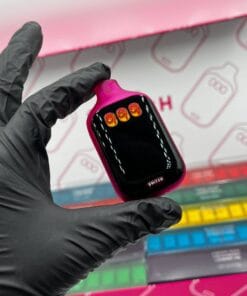
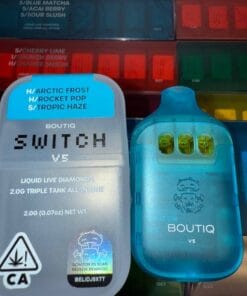
2 GRAM DISPOSABLE
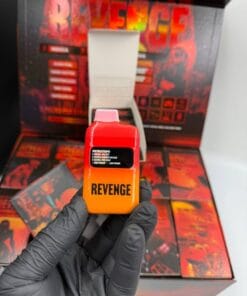

2 GRAM DISPOSABLE


2 GRAM DISPOSABLE


2 GRAM DISPOSABLE


2 GRAM DISPOSABLE


2 GRAM DISPOSABLE
Reviews
There are no reviews yet.